
Home Blog Page 150

Foreign monopoly corporations responsible for expensive medicines — Consumers group

By Consumers’ Action for Empowerment

“Transnational corporations (TNCs) are responsible for making us a country of expensive medicines. In fact, given the high poverty incidence, the Philippines rank among the top countries in Asia where medicines are most expensive. The country having no own drug industry, TNCs control the entire essential drug production chain from manufacturing, distribution and retail. Hence, they dictate the high prices of medicines.”

This is the analysis of Consumers’ Action for Empowerment (CAE) on this month’s commemoration of the sixth year implementation of the Universally Accessible Cheaper and Quality Medicines Act of 2008 or RA 9502.

Given the monopoly control, the Cheaper Medicines Law cannot make any significant change in reversing the inaccessibility of essential medicines for the people,” Julie Caguiat, M.D., convener of CAE said.

Caguiat cited (Nifedipine) Adalat Retard (20 mg) manufactured by Bayer pegged at P43.45 per tablet in most drugstores in the Philippines based on 2010 prices while “the same brand and preparation can be bought in India at P1.44 per tablet.” The same is true with (Mefenamic Acid) Ponstan (500 mg) manufactured by Pfizer which is bought in the country for P25.77. The same drug can be bought in India at P2.96.

Why are the same brands of medicines cheaper in India? It is because, unlike our government which succumbs to the dictates of these TNCs, India imposed strict regulations, decisively curbing the control of TNCs in its drug industry,” explained Caguiat.

Caguiat furthers that the poor bear the burden of expensive medicines. A 2012 research done by Ibon Foundation reports that the average family spent P7,018 for health whereas the government allotted a measly P912.50 per person that year; the bottom half of the households spend an average of 49% of their total health expenses for medicines; there is no capitation for primary care and 80% of pharmacy sales are on outpatient.

“The government cannot argue anymore that there is no sufficient fund for health or medicines for that matter. The Aquino government reeks of systemic corruption,” Caguiat argued.

“We call on the government to undertake immediate measures to make essential medicines accessible to the people: remove the monopoly control of TNCs in medicine prices; remove 12% of VAT in essential medicines; ensure free essential medicines in public hospitals; abolish the Disbursement Acceleration Program (DAP) and allocate bigger budget for health including providing for free essential medicines for the poor,” Caguiat ended.

The group will march from the University of Sto. Tomas in España, Manila to Mendiola, Manila at 9:00 in the morning tomorrow, June 27, to underscore their calls.

The CONSUMERS’ ACTION FOR EMPOWERMENT is a loose coalition of organizations, institutions, and individuals from the basic sectors of the society as well as professional and religious organizations that promote consumers’ right to accessible, safe and affordable essential medicines and asserts government’s role in ensuring this right.

Reference:
Julie Caguiat, M.D.
0927-9259413 / (02) 929-8109
Convener, Consumers’ Action for Empowerment

Consumers’ Action for Empowerment
8 Mines Street, Barangay Vasra
Quezon City, Philippines
(+632) 929-8109
http://consumersactionforempowerment.blogspot.com/
IADL hits harassment, persecution of Philippines rights lawyers

http://www.karapatan.org/International+lawyers+hit+harassment+%2526+persecution+of+Ph+rights+lawyers

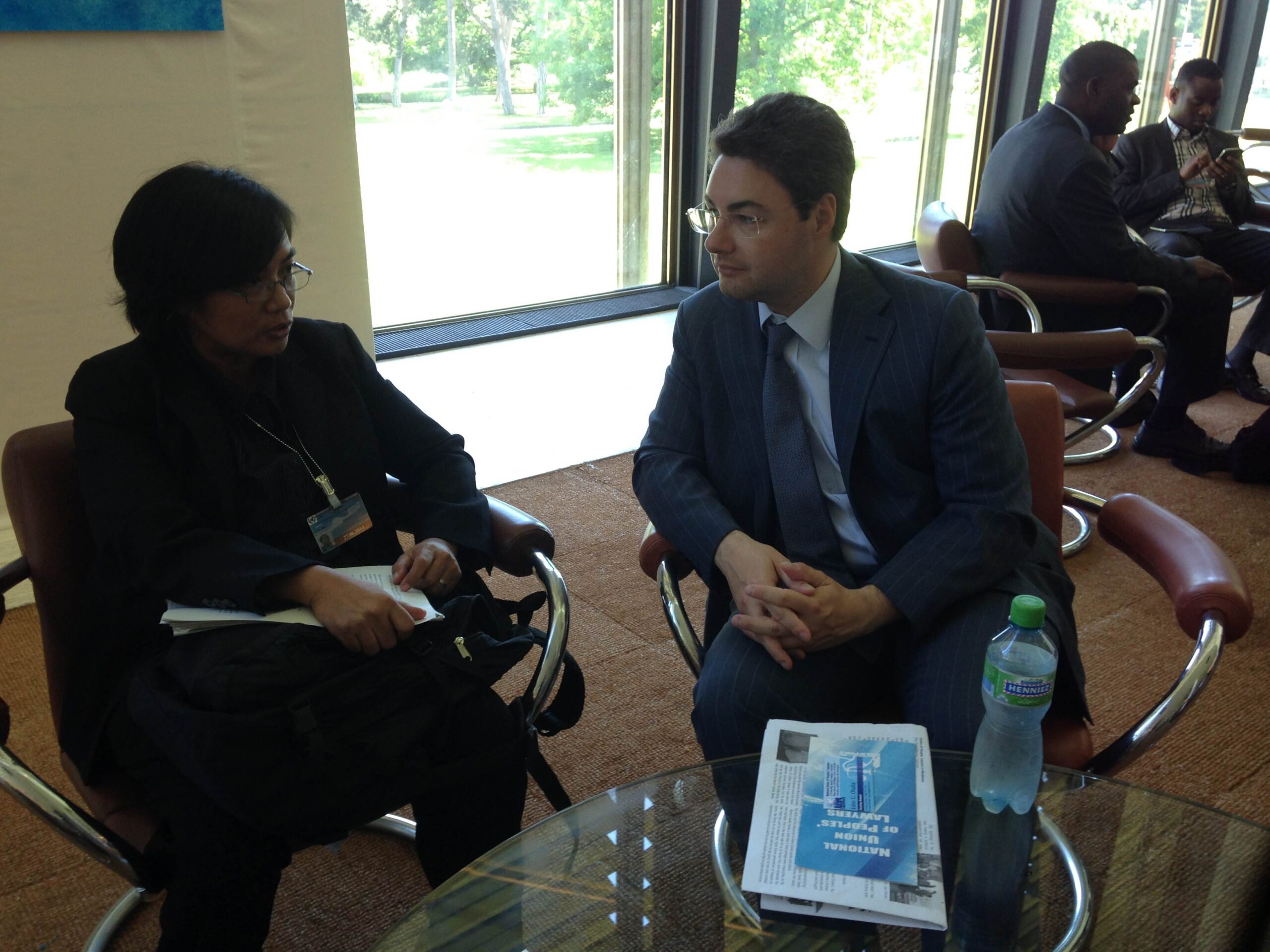
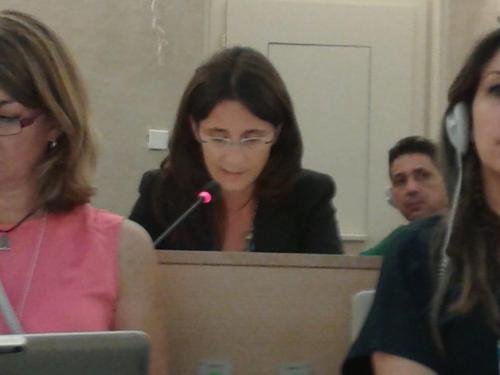
Geneva, Switzerland – Italian human rights lawyer Micol Savia, Permanent UN Representative of the International Association of Democratic Lawyers (IADL) to the United Nations in Geneva, decried the continuing intimidation and harassment of human rights lawyers in the Philippines, particularly those working on politically sensitive cases, by security forces of the Philippine government, in an oral intervention during the General Debates recently at the 26th sessions of the United Nations Human Rights Council (UN HRC).

“Key officers of the National Union People’s Lawyers (NUPL), which is a member of the IADL, seem to be targeted particularly by security forces and agents of the Philippine State by way of reprisal for their work or advocacy,” Savia stated.

The IADL, which has UN Ecosoc consultative status and has hundreds of members in several countries worldwide, urged the Philippine government to promptly investigate any acts of harassment, threats or nuisance suits against lawyers and to bring the perpetrators to justice; refrain from directly or indirectly interfering in the work and functioning of lawyers, especially from any form of reprisals against them; guarantee the respect of all international safeguards aimed to ensure the independence of the legal profession  (particularly to fully implement the UN Basic Principle on the Role of Lawyers); and to ensure the implementation by the Philippine government of its international obligation with regard to human rights.

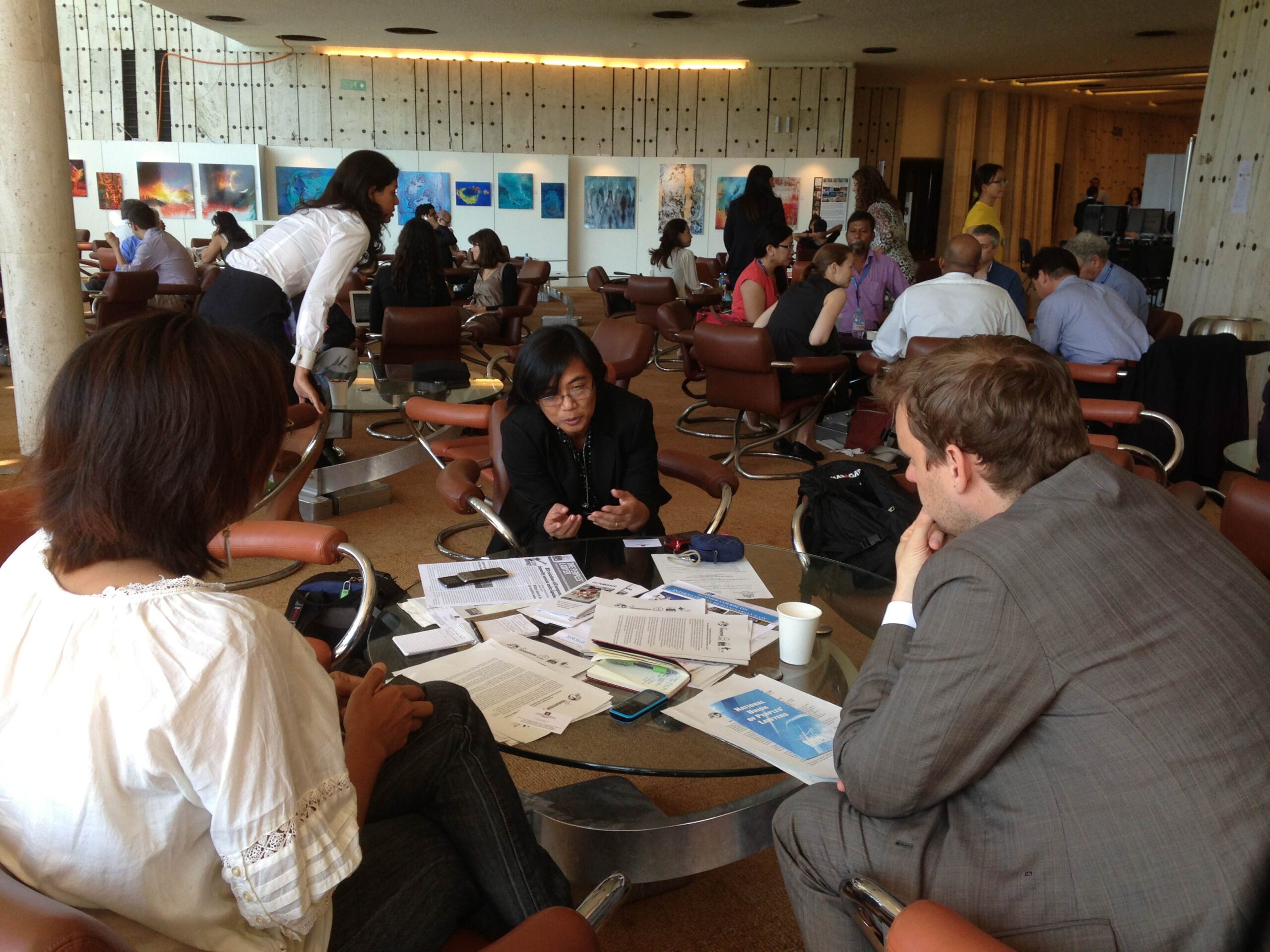
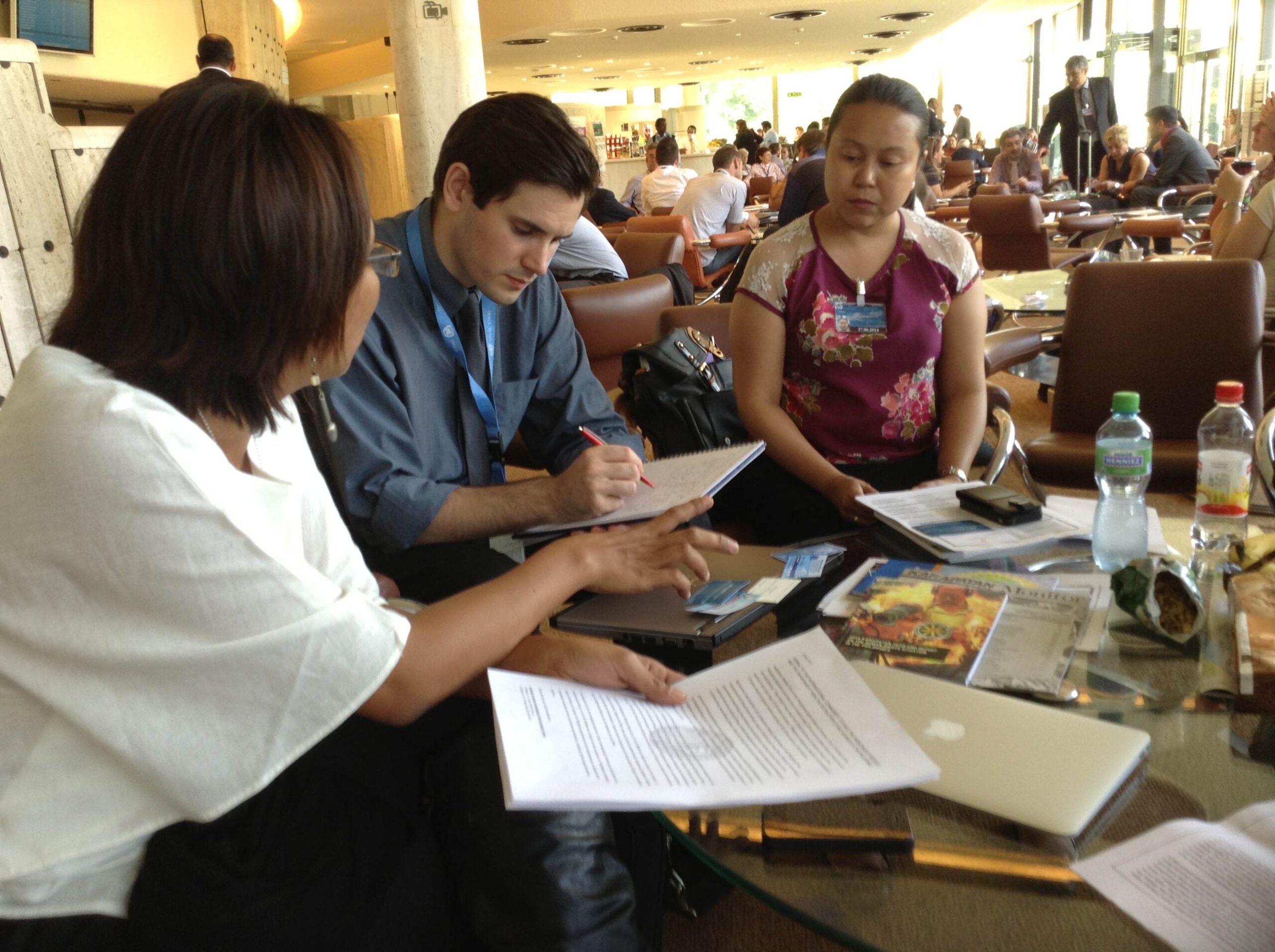
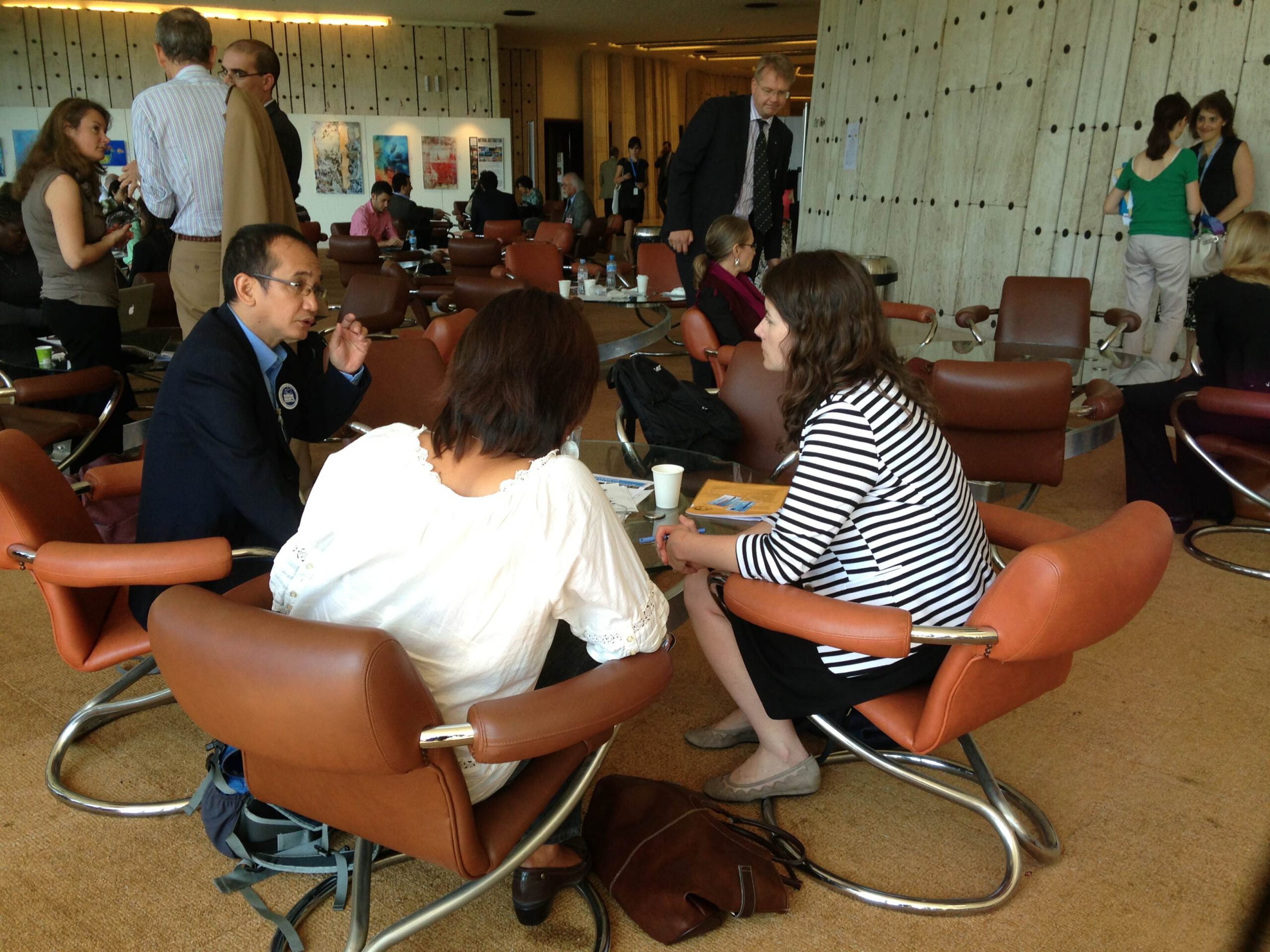
The delivery of the oral statement capped the two weeks’ participation of the members of the delegation of Philippine human rights defenders and church workers at the UN HRC sessions.  The delegation met with UN special rapporteurs/independent experts, international non-government organizations, and Geneva-based country missions of Ireland, Austria, Canada, Norway, The Netherlands, Mexico and the Holy See. The delegation was also supported by international NGOs such as the IADL, Civicus, the World Council of Churches, International Association for Religious Freedom, and the Franciscans International.

The delegation, headed by KARAPATAN General Secretary Cristina Palabay, includes Atty. Edre U. Olalia, Secretary General of the National Union of Peoples’ Lawyers (NUPL); Rev. Irma Balaba, assistant programme secretary of the Christian Unity and Ecumenical Relations programme of the National Council of Churches in the Philippines; Sr. Stella Matutina from Sisters Association in Mindanao (SAMIN); and Dr. Angie Gonzales, Atty. Mary Kristerie Baleva and Julie Palaganas of the International Coalition for Human Rights in the Philippines (ICHRP).

The delegation vowed to persistently continue exposing and opposing human rights violations before all fora in the international community.

References:
Cristina Palabay
Karapatan Secretary General
+63 917 316 2831

Edre U. Olalia
NUPL Secretary General
+639175113373

———————————————————————
PUBLIC INFORMATION DESK
publicinfo@karapatan.org
———————————————————————

Alliance for the Advancement of People’s Rights
2nd Flr. Erythrina Building
#1 Maaralin corner Matatag Streets
Central District, Diliman
Quezon City, PHILIPPINES 1101
Telefax: (+63 2) 4354146
Web: http://www.karapatan.org

KARAPATAN is an alliance of human rights organizations and programs, human rights desks and committees of people’s organizations, and individual advocates committed to the defense and promotion of people’s rights and civil liberties.  It monitors and documents cases of human rights violations, assists and defends victims and conducts education, training and campaign.

Lingkod Katribu slams relief center raid

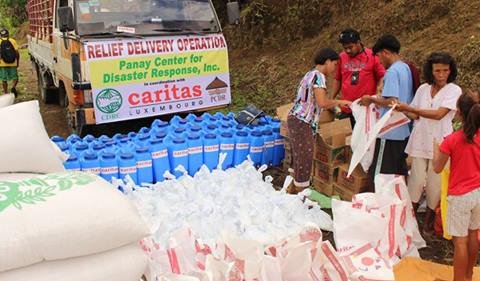
Lingkod Katribu condemned the raid done of a relief center in Iloilo. “This attack is an outrage, an affront to donors here and abroad who had contributed to provide relief to the people devastated by super typhoon Yolanda,” Kakay Tolentino, Lingkod Katribu program head said.

The Panay Center for Disaster Response (PCDR) office based in Jaro, Iloilo was ransacked by three unidentified men at around 1 o’clock in the morning of 19 June. Three people, who are staff and volunteers of the disaster response center,  were handcuffed and their faces were partly covered with packaging tape. The masked men seized laptops, memory sticks, printed documents, hard drives, mobile phones, logbooks and cameras.

PCDR provides relief aid to typhoon Yolanda-struck communities in Northern Iloilo, Capiz, Antique, and Aklan. It has served about 50,000 families in the region with relief and rehabilitation assistance – food, non-food, shelter, among others.

“This direct attack against volunteers and personnel of a disaster relief center is enraging. We condemn these acts of terror to the people and institutions providing relief and rehabilitation to the survivors of Typhoon Yolanda,” Kakay Tolentino of Lingkod Katribu said.

Lingkod Katribu, the disaster and relief program of indigenous peoples group Kalipunan ng mga Katutubong Mamamayan ng Pilipinas (KAMP) cooperates with PCDR to extend relief to indigenous communities in Panay Island affected by the Yolanda typhoon.

Tolentino supported  PCDR’s suspicion that the military are responsible for the ransack. “This is no ordinary robbery. The operation was precise, targeting objects that would not normally be the quarry if they intended to loot the place. PCDR is correct to assume that this is part of Oplan Bayanihan, that apparently brands even those providing humanitarian relief as insurgents,” Tolentino said. “The attack on the staff and volunteers of PCDR is similar to the terror activities by military death squads  and mercenaries perpetrated against activists, indigenous peoples, environment activists, and other progressive groups.”

Oplan Bayanihan is the internal security program of the Aquino government criticized by human rights organizations as the ‘blueprint’ of human rights violations and impunity in the Philippines.

According to Tolentino, PCDR staff has been previously charged by the military with trumped-up cases but later dismissed by the court as without merit.

“It is an outrage that the people who had willingly offered their time and effort to make up for the government’s criminal negligence in providing relief and rehabilitation for the survivors of Yolanda are now being targeted and treated as enemies of the state. This is truly a dire state for human rights in the Philippines,” Tolentino remarked.

The United Nations has been requested to send special rapporteurs to the Philippines to conduct probes on extrajudicial killings, human rights violations, forced evictions, and extreme poverty, after Philippine human rights workers submitted their reports to the 26th United Nations Human Rights Council sessions in Geneva, Switzerland. “The UNSRs are also requested to investigate the snail’s pace response of the Philippine government to the issues and needs of the survivors of super typhoon Yolanda. Seven months after the typhoon struck, many provinces in Eastern Visayas are still in crisis,” Tolentino remarked. “This recent attack on a relief center must also be included in the assessment of the government’s response to typhoon Yolanda, and the state of human rights in the Philippines,” Tolentino said.

Reference:
Kakay Tolentino
+63917-8364710
Lingkod Katribu Program Head

Lea Fullon
+639982972500
Public Information Officer

——————————————–

Kalipunan ng mga Katutubong Mamamayan ng Pilipinas (KAMP)
National Alliance of Indigenous Peoples Organizations in the Philippines
Room 304 NCCP Building
876 Epifanio De Los Santos Avenue
West Triangle, Quezon City, Philippines

(02)412-5340 | kamp_phils@yahoo.com | katutubongmamamayan.org

Throwback to Alston Report: Impunity persists in Philippines 7 years after

http://www.karapatan.org/UN+Rights+Expert+Told+Impunity+Persists+in+Philippines

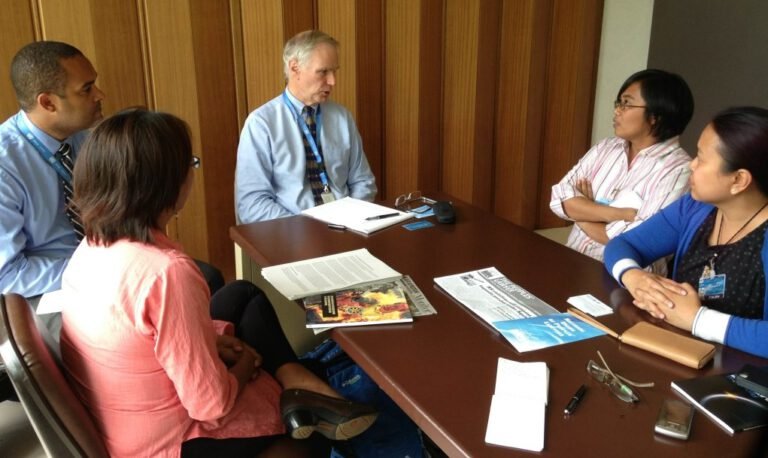
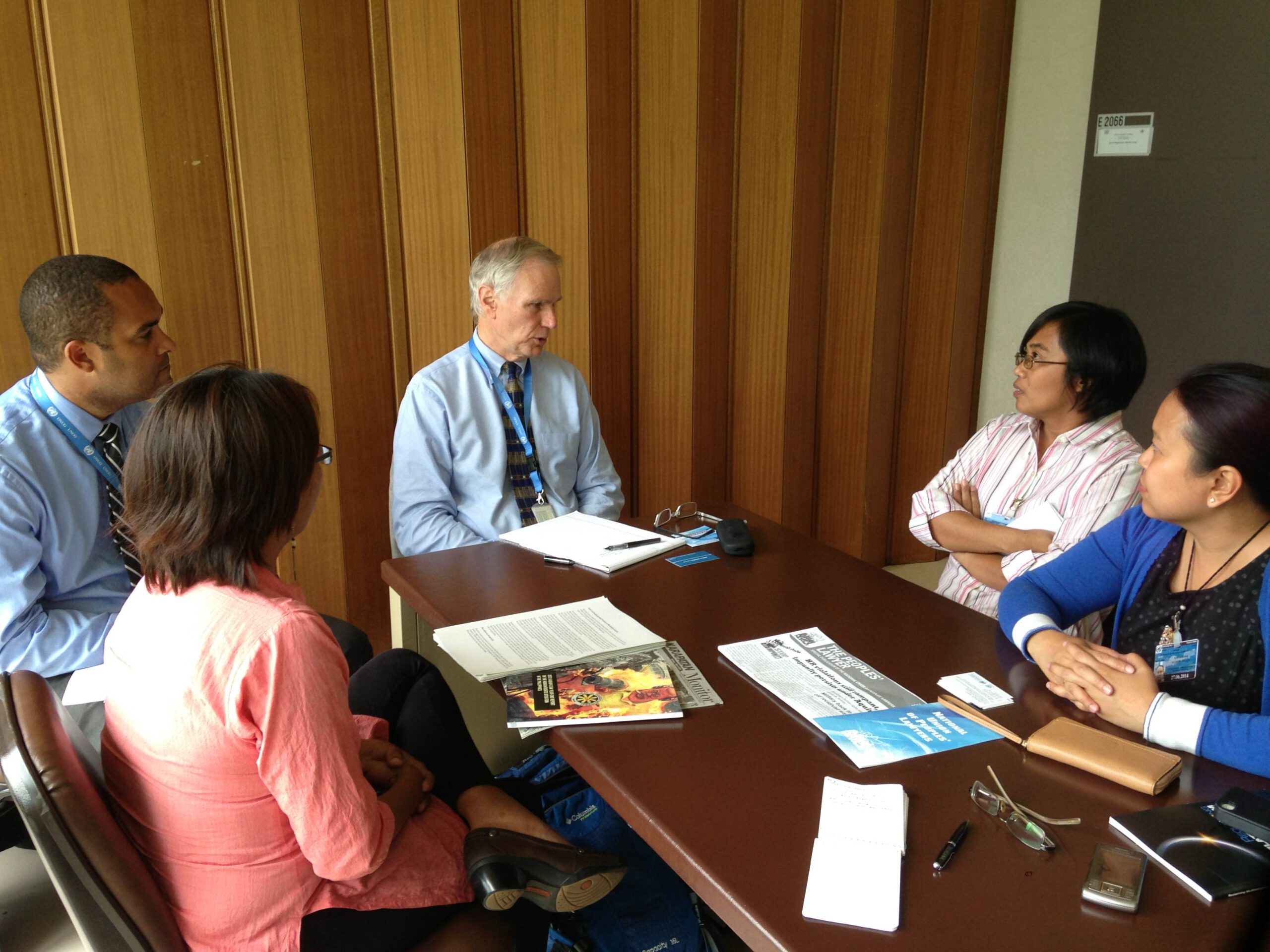
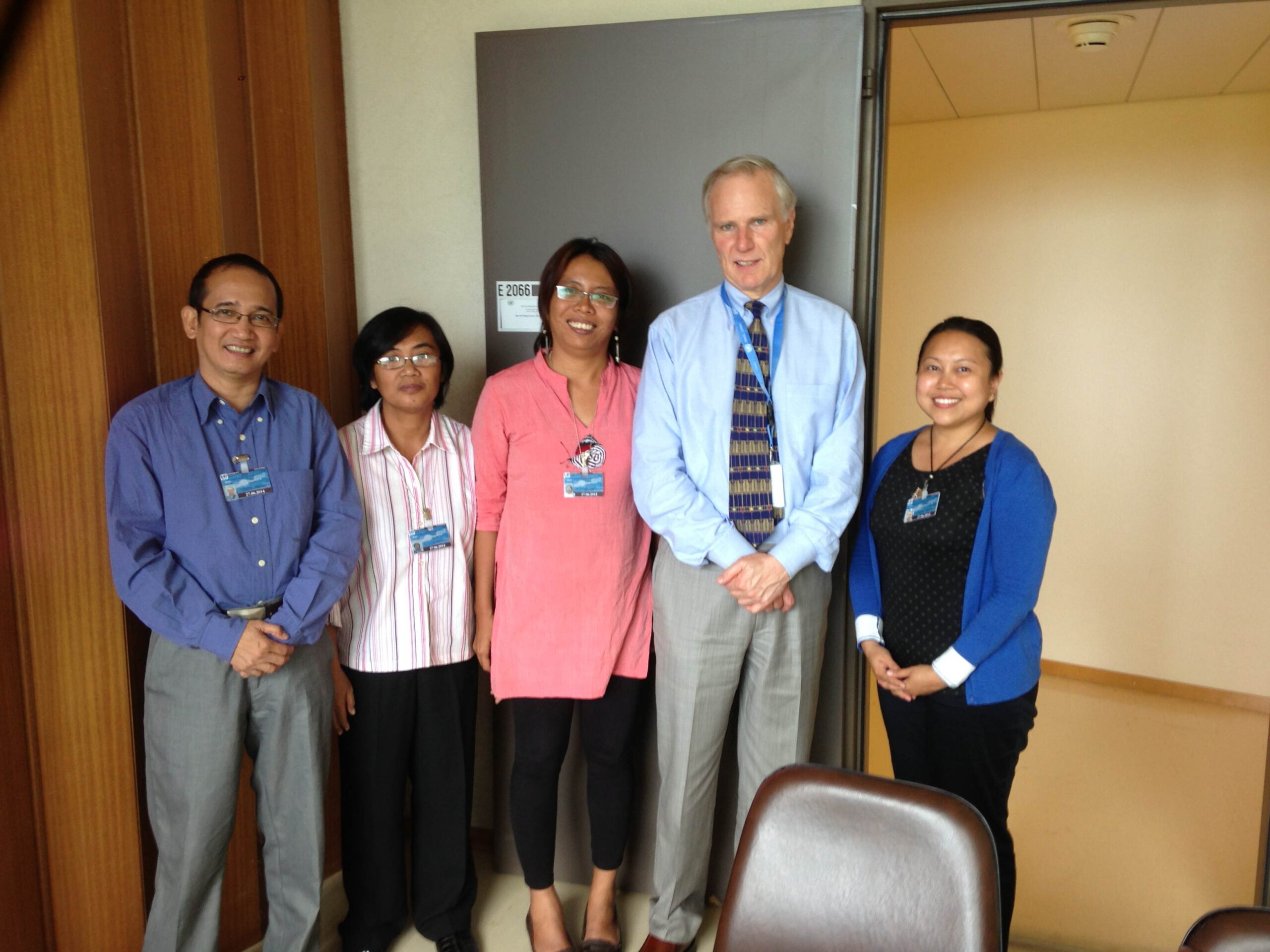
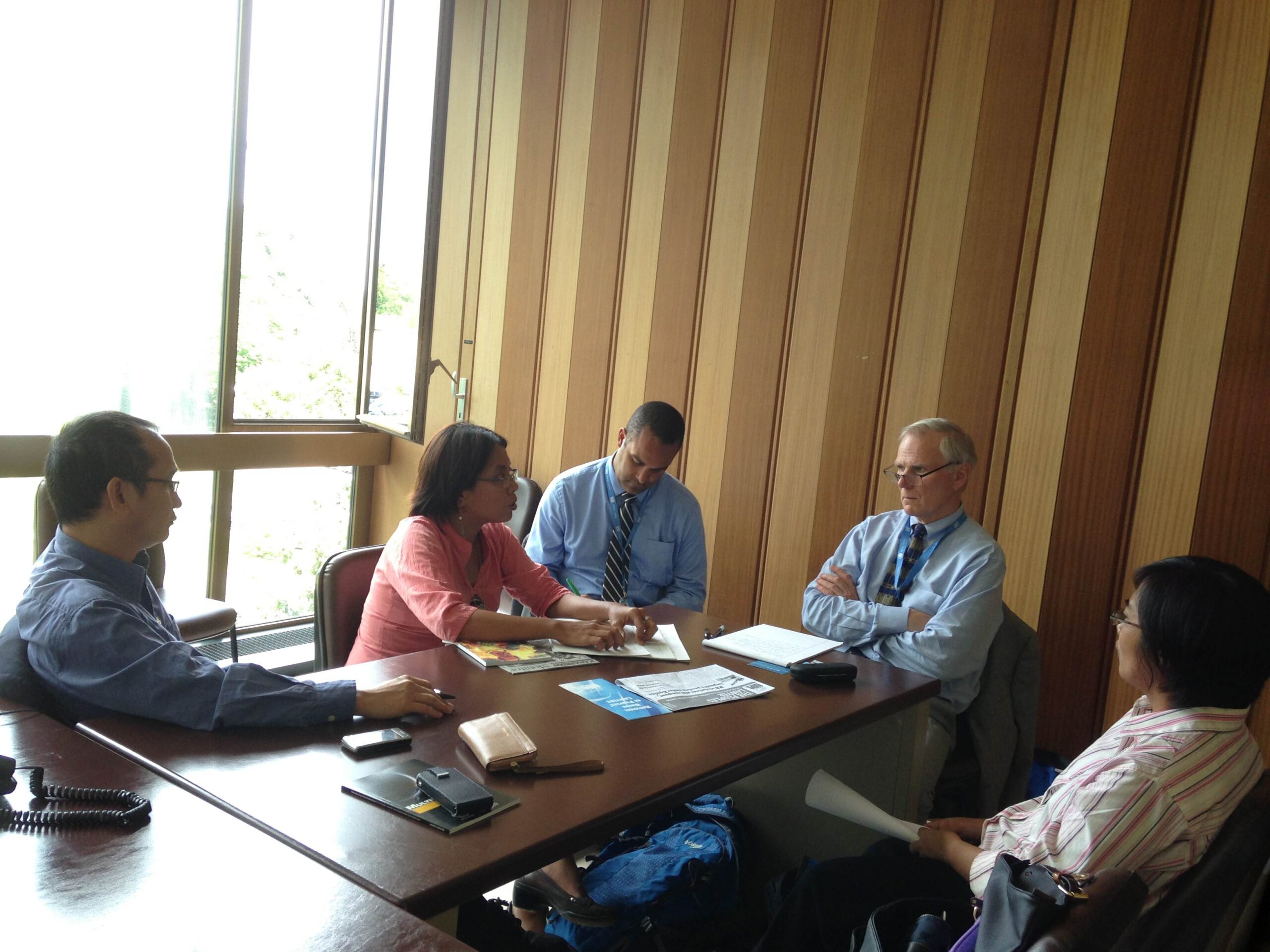
Geneva, Switzerland – Law Prof. Philip Alston, newly appointed UN Special Rapporteur on Extreme Poverty and Human Rights, and Geneva-based country missions of Ireland, Austria, Canada, Norway and The Netherlands met with Filipino rights advocates participating in the 26th session of the United Nations Human Rights Council in Geneva on the continuing extrajudicial killings, labeling, filing of trumped-up charges against activists, poverty and loss of livelihood of farm workers and forced evictions of urban poor communities in the Philippines.

In 2007, Alston, who was then the UN Special Rapporteur on Extrajudicial, Summary or Arbitrary Executions, went to the Philippines for an official visit to investigate the cases of extrajudicial killings under the Gloria Arroyo administration.

In what would be referred to as the Alston report, he pointed out the responsibility of the government, military and police in the targeted killings and disappearances of hundreds of political activists and those tagged as rebel supporters as part of the counter-insurgency campaign of the State. He recommended a checklist of concrete steps that the Philippine government should do to address and abate the horrendous rights violations.

Cristina Palabay, secretary general of Karapatan and member of the delegation of the Ecumenical Voice for Peace and Human Rights in the Philippines (EcuVoice), told Alston that “seven years after his trendsetting report that continues to reverberate in the human rights community, most of his recommendations remain unheeded or just given lip service as impunity persists.”

The delegation informed Alston and the country missions that the “extrajudicial killings, arbitrary arrests and detentions, torture and enforced disappearances of human rights defenders, political activists, and community leaders resisting large scale development projects, particularly indigenous leaders, have severely escalated in 2014.”

They said that in the first quarter of the year, human rights group Karapatan has recorded 21 victims of extrajudicial killings and 23 victims of frustrated killings under the Noynoy Aquino administration.
EcuVoice also submitted to Alston report on the impoverished conditions of the 2,102 farmworkers who lost their livelihood in Hacienda Luisita and were dislocated through the maneuvers of the Cojuangco-Aquino family in implementing the Supreme Court order to redistribute the lands in the hacienda. Several complaints on the forced eviction of the urban poor in many communities in Metro Manila were also submitted to Alston. Typhoon Haiyan survivor Rev. Irma Balaba emphasized that seven months after the typhoon, hunger, absence of decent shelter/housing, and a dearth of livelihood pervade among several communities in the Eastern Visayas region.

Alston expressed keen concern over these reports and said he will look into these issues complementary to what other UN human rights experts called mandate-holders would do.

The delegation made the following recommendations to Alston and the Missions:

  1. To express strong concern about the escalation of extrajudicial killings, illegal arrests and detention, filing of false charges, forced evacuation and other human rights violations in the Philippines;
  2. To enjoin the Philippine Government to effectively respond to the Concluding Observations and Recommendations of the 2012 Universal Periodic Review, and take effective measures to end impunity and eliminate extrajudicial killings;
  3. To exhort the Philippine Government to end the counter-insurgency program and stop the policy of vilification of human rights defenders and political activists;
  4. To call for the resumption of the Peace Talks between the Government of the Philippines and the National Democratic Front of the Philippines, and the release of NDFP peace consultants, including Benito Tiamzon and Wilma Austria.

Edre U. Olalia, Secretary General of the National Union of Peoples’ Lawyers (NUPL) and member of the delegation, opined that if the legal and judicial environment on top of the political, socio-economic reasons for the violations continue, then the very same issues and concerns raised during the Universal Periodic Review (UPR) in 2008 and 2012 will haunt and hound the Aquino government in the next UPR in 2016. “The present legal and judicial system must be truly responsive in delivering effective justice to the victims, make the perpetrators accountable, and send the crystal-clear message that committing human rights violations will be decisively dealt with. Otherwise, it will be more like the same, if not worse,” Olalia observed.

The other members of the EcuVoice delegation at the 26th sessions of the UN HRC are Dr. Angie Gonzales, Atty. Mary Kristerie A. Baleva, and Julie Palaganas of the International Coalition for Human Rights in the Philippines.

References:
Cristina Palabay
Karapatan Secretary General
c/o +41774559698

Edre U. Olalia
NUPL Secretary General
c/o +41779773999

———————————————————————
PUBLIC INFORMATION DESK
publicinfo@karapatan.org
———————————————————————

Alliance for the Advancement of People’s Rights
2nd Flr. Erythrina Building
#1 Maaralin corner Matatag Streets
Central District, Diliman
Quezon City, PHILIPPINES 1101
Telefax: (+63 2) 4354146
Web: http://www.karapatan.org

KARAPATAN is an alliance of human rights organizations and programs, human rights desks and committees of people’s organizations, and individual advocates committed to the defense and promotion of people’s rights and civil liberties.  It monitors and documents cases of human rights violations, assists and defends victims and conducts education, training and campaign.

Vicious attacks on Philippine indigenous peoples bared before international rights community

Revelations of Philippines rights violations continue at UN Human Rights Council

06/14/2014, Geneva, Switzerland – International human rights group Civicus and Philippine-based rights group Karapatan issued on Thursday an appeal to the 47-member states of the United Nations Human Rights Council (UNHRC) to urge the Philippine government to stop the attacks against indigenous peoples and environmental activists in Talaingod, Davao del Norte, and elsewhere in the country.

In an oral intervention delivered by Karapatan secretary general Cristina Palabay before the UNHRC and the Office of the High Commissioner for Human Rights during the 26th Human Rights Council sessions in Geneva, she cited the forcible evacuation of indigenous Manobos in Talaingod, in the southern island of Mindanao, caused by military operations and bombings.

Palabay indicated that the Manobos’ refusal to allow mining companies to encroach on their lands exposed them to threats and harassment.

“They have become victims of the Aquino government’s counter-insurgency program, Oplan Bayanihan, and they are tagged as members or supporters of the New People’s Army,” she stated, in her oral intervention during the interactive dialogue with the UN Working Group on Business and Human Rights.

“Mining companies, including Indophil Resources, have applications covering the land where the indigenous Manobos live, for gold, silver, copper, and other minerals. Their plight is akin to the situation of the indigenous communities where SMI Glencore/Xstrata has mining projects. Anti-mining activists, indigenous leaders and children were killed by military and paramilitary groups, and justice remains elusive for them,” Palabay added.

The rights groups appealed to the UN Human Rights Council to urge the Philippine government to recognize and respect the rights of communities and human rights defenders, who bear the full adverse impact of business, especially big mining, activities. They asked the Council to call on  the Philippine  government  to  adhere  to  international  human  rights  standards,  including  the UN Guiding  Principles  on Business  and Human Rights.

Palabay also spoke on the issue in a side event on civil society space and protection of human rights defenders jointly organized by international organisations Article19, CIVICUS, ICNL, ECNL, the World Movement for Democracy and the Permanent Mission of Ireland. Mr. Maina Kiai, UN special rapporteur on freedom of assembly and association, and Mr. Frank la Rue, UN special rapporteur on freedom of expression, were also in the said panel.

Citing Karapatan’s documentation and reports of London-based NGO Global Witness, Palabay said that aside from extrajudicial killings of indigenous peoples and activists, arrests based on false charges of environmental and anti-mining activists are on the rise. She cited the arrests and detention of physicist Kim Gargar and Tampakan anti-mining activist Romeo Rivera.

Palabay is among the members of the  Ecumenical Voice for Peace and Human Rights (EcuVoice) delegation of human rights defenders and church workers at the 26th sessions of the UN HRC.  Joining her are Atty. Edre U. Olalia, Secretary General of the National Union of Peoples’ Lawyers (NUPL), Rev. Irma Balaba, assistant programme secretary of the Christian Unity and Ecumenical Relations programme of the National Council of Churches in the Philippines; and Dr. Angie Gonzales, Atty. Mary Kristerie A. Baleva, and Julie Palaganas of the International Coalition for Human Rights in the Philippines.

References:
Cristina Palabay
Karapatan Secretary General
c/o +41774559698

Edre U. Olalia
NUPL Secretary General
c/o +41779773999

———————————————————————
PUBLIC INFORMATION DESK
publicinfo@karapatan.org
———————————————————————

Alliance for the Advancement of People’s Rights
2nd Flr. Erythrina Building
#1 Maaralin corner Matatag Streets
Central District, Diliman
Quezon City, PHILIPPINES 1101
Telefax: (+63 2) 4354146
Web: http://www.karapatan.org

KARAPATAN is an alliance of human rights organizations and programs, human rights desks and committees of people’s organizations, and individual advocates committed to the defense and promotion of people’s rights and civil liberties.  It monitors and documents cases of human rights violations, assists and defends victims and conducts education, training and campaign.